January 1, 2025
About the Author: Arwen

If piano myths are the reason for stopping you from becoming a pianist, this article is for you!
As we head into the new year, make learning the piano a part of your goals for 2025.
If some myths like the fear of failure is what’s stopping you from learning the piano, this is the year you will overcome it.
Do not let the year pass by without putting your goals into practise. Time is passing by anyway, might as well make it count!
A new year is always exciting— new possibilities and opportunities.
Unfortunately, old myths still stand. It is important to recognise these myths and put an end to them once and for all. Let’s debunk some more popular myths:
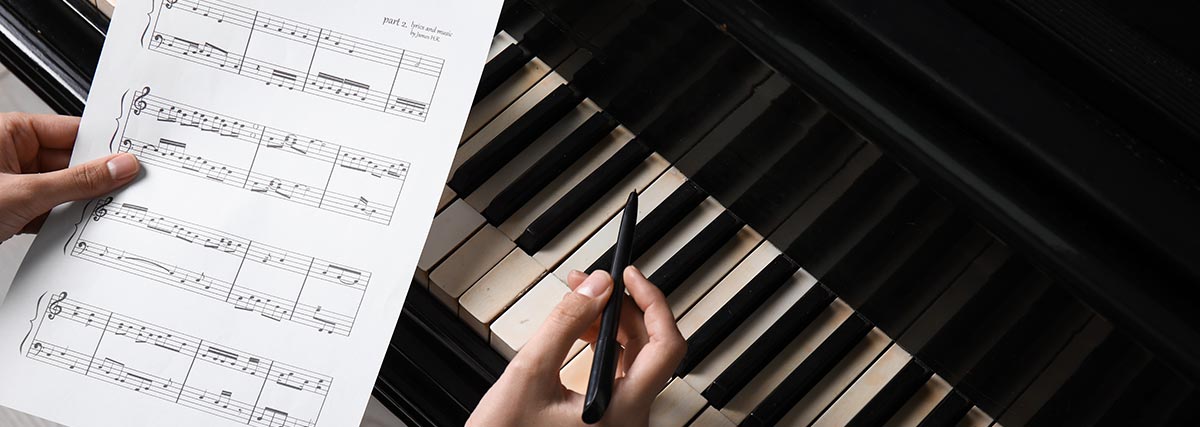
Myth 6: “Reading Sheet Music Is Mandatory to Play the Piano”
In simple terms, no. You can learn to play by ear– which is listening to a song and then replicating the notes on the piano without reading sheet music.
If you are someone who just wants to play the piano for fun, not being able to read sheet music will not necessarily have a negative impact on you.
Unfortunately, if you are more serious about the piano, the ability to read sheet music is quite essential.
It gives access to a wider repertoire meaning you will be able to play a vast variety of music readily available in sheet music form.
It will also increase your musical understanding and overall improve your piano skills.
Reading sheet music is not a must, but I highly recommend it.
It broadens your knowledge and breaks down the barriers and limitations playing by ear has.
If you practise sheet reading you will be able to play practically any musical piece thrown at you, whereas playing by ear will not help you achieve it.
Also, not everyone is good at playing by ear. So in summary, being able to read sheet music will help you immensely but you do not need that ability to still have fun on the piano!
Myth Status: Busted!
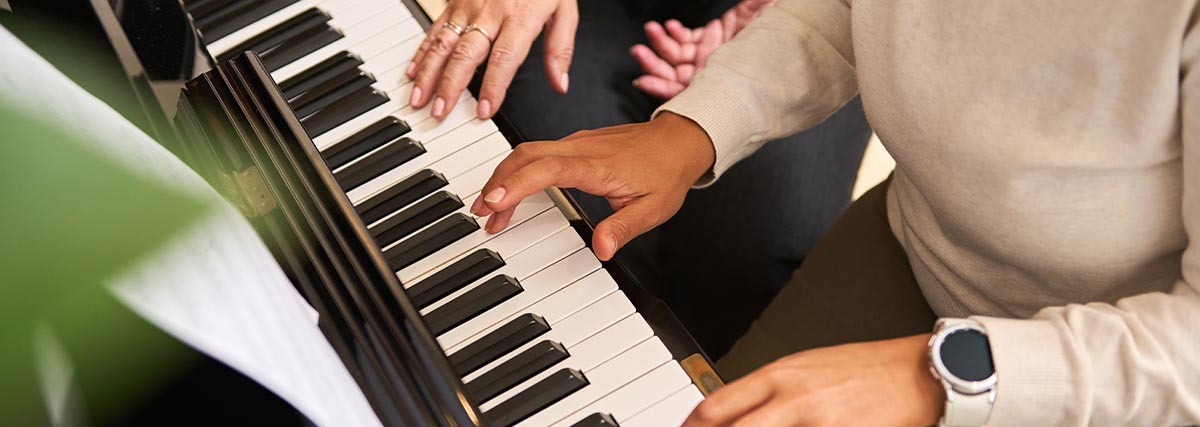
Myth 7: “Learning Piano Requires Expensive Lessons or Equipment”
For most people, any piano will do– no matter how expensive or cheap.
If you are just getting started I suggest looking at buying a second hand piano.
There are also other options that do not involve buying a piano such as hiring a music room at a school or church to practise, or having an agreement with friends or family who own a piano.
You also do not need to be taught by the best piano player in the world to make progress.
Choose piano lessons that you find financially acceptable, have an accessible location and enjoyable teacher.
Here at London Piano Institute we offer various types of lessons, whether group, private or even online!
Technology has made it possible for us to get piano lessons from within our living room. If location is a problem to you, feel free to make use of our online piano lessons you can do from anywhere in the world.
Myth Status: Busted!

Myth 8: “Piano Will Take Up All of Your Time”
Depending on your skill level, it is recommended to practise for 30 minutes to 4 hours a day.
If you are a beginner, 30 minutes a day will do but for the more advanced— the more practise hours are required.
Luckily you can decide how much you want to practise daily, but just remember that what you put in is what you get out.
Yet, even if you cannot practise a lot at a time, doing so consistently is key.
A year ago it was required of me to practise for a minimum of 1 hour a day.
Unfortunately it was unrealistic at some times due to various factors.
The reality is that people have lives and other things that are important.
In a perfect world, everyone would be able to practise for hours without any other responsibilities.
So will piano take up all of your time? Unless it is one of your top priorities or your job, it probably will not.
The amount of hours you put in will determine how serious you are about the instrument.
It will also determine how far you will go and how fast you will progress.
Piano will take as much time as you give it. The more time and effort you invest into piano, the more you will reap from what you sowed.

Myth 9: “Mistakes Mean I Am a Bad Pianist”
Many people believe they need to have a natural ability to be able to play the piano.
This could not be further from the truth. Well of course having the natural talent will help immensely, but everyone needs to practise to become better.
Just like the saying; hard work beats talent when talent fails to work hard. Even naturally talented people will make mistakes when learning the piano.
Mistakes are part of the learning process and help to give room for growth and improvement.
Instead of focusing on the mistakes, see it as an opportunity to learn.
Sometimes you need to take a step back and breathe, but do not get discouraged.
Identify the areas where mistakes are made often and practise those parts separately.
If you are performing at a concert and accidentally make a few mistakes— do not stop, instead continue as if nothing happened.
Funnily enough most people will not even recognise your mistakes unless you let it show.
Conclusion
What myth is stopping you from achieving your goals?
There will always be challenges, but no one’s journey is smooth sailing.
As intimidating as it is to learn a new instrument, the reward is infinitely greater! I believe that if this article did not persuade you, go find out for yourself.
You will never regret trying, but you will regret not trying.
Do not let the year pass believing myths.
Make 2025 your year and learn the piano!
For further insights, read the first part: Busting Piano Myths: Clearing Common Confusions and Misconceptions